 Photo by POURIA 🦋 on Unsplash
Japan hikes rates to a 31-year high, BrewDog creditors face £190m shortfall, and no-deposit mortgages hit a 2008-era high. Here's what it means for you.
From a landmark interest rate rise in Japan to the collapse of one of Britain's most high-profile beer brands, 18 September 2026 delivered a clutch of stories with real implications for UK consumers. Whether you hold a mortgage, have money in savings, or are simply watching your cost of living, here is what happened — and what it means for your finances.
Japan's central bank has lifted its benchmark interest rate to its highest level since 1995, joining a wave of central banks around the world that continue to tighten monetary policy in response to stubborn inflation driven largely by elevated energy prices. While this might sound like distant news, global interest rate decisions rarely stay contained within national borders — they ripple through currency markets, bond yields, and ultimately the cost of borrowing everywhere, including the UK.
For UK mortgage holders, the key concern is what sustained high global rates mean for the Bank of England's own decision-making. The Monetary Policy Committee watches international conditions closely, and persistent inflationary pressure abroad — particularly in energy markets — makes it harder for the Bank to cut UK rates as quickly as many homeowners are hoping. If you are on a variable or tracker mortgage, or your fixed-rate deal is coming to an end in the next six to twelve months, now is a sensible time to review your options.
Planning ahead? Locking into a fixed rate before any further volatility could protect your monthly budget. A financial adviser can help you compare deals across the whole market. See our remortgage guide for more on how to switch and what to look out for.
Administrators at AlixPartners have confirmed what many feared: creditors owed around £190 million by the collapsed BrewDog empire will not be paid back in full. The accountants overseeing the wind-down have warned there are simply "insufficient funds" to cover all outstanding debts, which include approximately £489,000 in unpaid staff wages and holiday pay, a £2.4 million HMRC bill for unpaid VAT, and a significant volume of overdue supplier invoices.
For former BrewDog employees, the news is particularly distressing. Unpaid wages and holiday pay fall into a specific creditor category — and while the government's Redundancy Payments Service can cover some statutory entitlements when an employer becomes insolvent, there is no guarantee that everything owed will be recovered. If you worked for BrewDog or a similar insolvent employer, the government's official guidance on insolvency rights is the first place to start.
Warning for business suppliers and small firms: BrewDog's collapse is a stark reminder of the dangers of over-exposure to a single large client. If a significant chunk of your business revenue depends on one customer, consider whether you have adequate credit insurance or cash reserves to survive a sudden non-payment. Unsecured creditors — including many small businesses owed money by BrewDog — are typically last in the queue when administrators divide up remaining assets.
Beyond the immediate human cost, BrewDog's failure raises broader questions about the health of the UK's hospitality and consumer goods sectors. Rising input costs, energy bills, and weakening consumer discretionary spending have squeezed margins across the industry. This will not be the last high-profile collapse if those pressures persist.
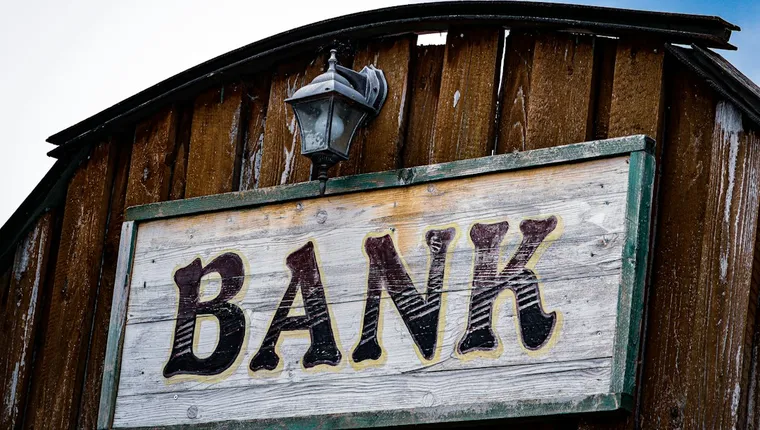
The share of UK mortgages being taken out with smaller or zero deposits is now at its highest level since the financial crisis of 2008, according to new data highlighted by the BBC. Lenders have responded to affordability pressures by reintroducing products that allow buyers to get onto the property ladder with little or no money saved upfront — a development that will feel like a lifeline to many aspiring first-time buyers, but also carries meaningful risks that deserve careful consideration.
On the positive side, if you have a stable income but have struggled to accumulate a large deposit amid high rents, these products can make homeownership a realistic near-term goal rather than a decade-long savings project. Some schemes — including government-backed initiatives and guarantor mortgages — are specifically designed to help buyers manage the risks associated with high loan-to-value borrowing. However, borrowing at or close to 100% of a property's value means you have very little equity cushion if house prices fall, which could leave you in negative equity and unable to remortgage competitively.
Watch out: Low or zero-deposit mortgages almost always come with higher interest rates than deals available to those with a 10–25% deposit. Over the lifetime of a mortgage, that difference in rate can add tens of thousands of pounds to your total repayment. Always compare the true cost, not just the headline monthly payment.
Thinking about buying without a large deposit? Understanding all the available options — from 95% LTV mortgages to shared ownership and the mortgage guarantee scheme — is essential before you commit. See our first-time buyer mortgage guide for a full breakdown, and consider speaking to an independent mortgage adviser who can search the whole market on your behalf.
This week's news paints a picture of a financial environment that remains challenging for everyday consumers. Here is what you should consider doing right now:
Nesto connects UK consumers with FCA-regulated financial advisers who can help you navigate all of these decisions. Find your adviser today and get personalised, regulated guidance tailored to your situation.
Get matched with an FCA-regulated adviser in under 2 minutes. Free, no obligation.
Find my adviser — it's free →Trusted by thousands of UK consumers • 5-star rated • 100% free