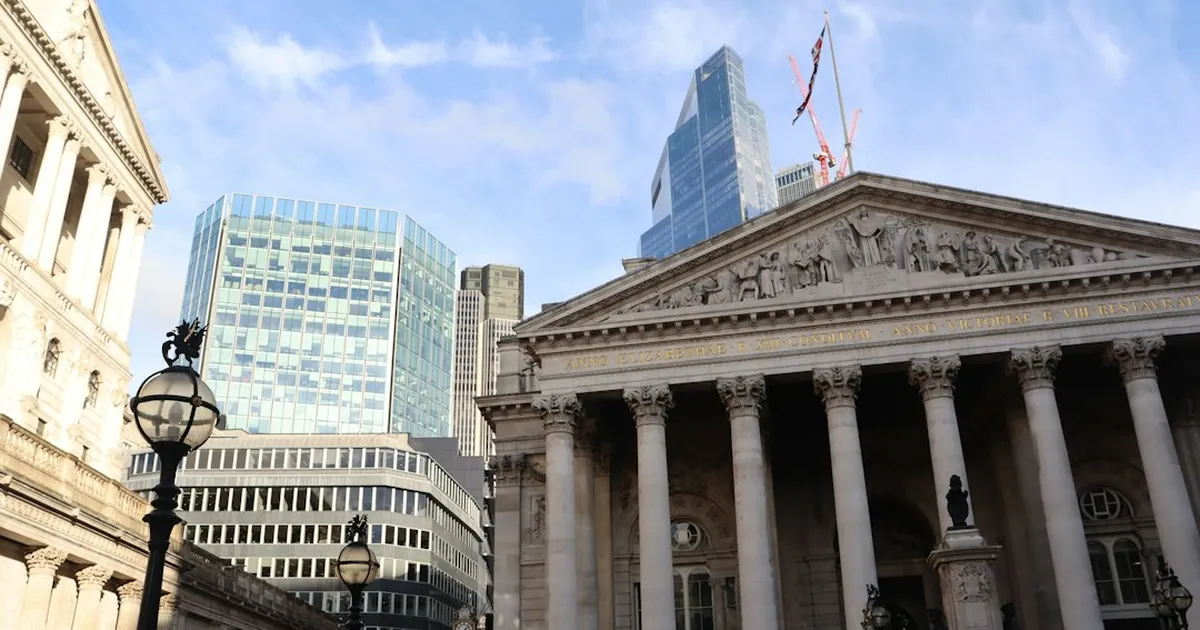
 Photo by Alicja Ziajowska on Unsplash
Oil prices, a bond sell-off and housing sector struggles are squeezing UK households. Here's what today's top finance stories mean for your money.
Photo by Alicja Ziajowska on Unsplash
From rising oil prices piling pressure on the government's upcoming budget, to a housebuilding sector struggling to deliver the homes the country desperately needs, Thursday's finance news painted a challenging picture for UK households. Meanwhile, a deepening food bank crisis is a stark reminder of the cost-of-living pressures still bearing down on millions of people. Here's what it all means for you.
Oil prices jumped sharply on Thursday, and Treasury sources are now conceding they have "less room" for manoeuvre ahead of Chancellor John Healey's budget next month. At the same time, a global bond sell-off is pushing up the government's borrowing costs — a double blow that could significantly limit what Healey can promise in the budget statement.
Why does this matter to you? When the government's borrowing costs rise, it affects everything from the interest rates lenders charge on mortgages to the returns offered on savings products. Higher oil and gas prices also feed directly into energy bills, inflation, and the cost of everyday goods. International bodies are already warning of rising debt and borrowing risks — language that signals the budget is unlikely to bring much in the way of tax cuts or generous new spending commitments.
Watch out: If the budget disappoints on cost-of-living support, households relying on government help — particularly with energy costs — may face a harder winter than expected. Review your household budget now rather than waiting for the October announcement.
The windfall tax on North Sea oil and gas companies adds another layer of complexity. Campaigners are warning that scrapping the current windfall tax early could cost the UK up to £8.6bn by 2030 — money the Treasury sorely needs if it is to balance the books without cutting public services or raising taxes on working people. With oil prices rising, the political pressure to keep — or even extend — the windfall tax is likely to intensify in the coming weeks.
Housebuilder Vistry has dramatically scaled back its ambitions, cutting its annual target from 20,000 homes to just 12,000. The company, formed from the merger of the Bovis, Linden, and Countryside brands, had been seen as a standard-bearer for the Labour government's affordable housing agenda — so this retreat is a significant setback. Its share price, which had doubled to nearly £14 between October 2023 and August 2024, has since collapsed as its "capital light" model ran into serious difficulties.
But Vistry is far from alone. The entire housebuilding sector is struggling with rising energy prices, labour costs, planning delays, and regulation. The result is fewer new homes being built at a time when the UK already has a chronic housing shortage. For aspiring homeowners — particularly first-time buyers — this means less new supply coming to market, which keeps house prices elevated and competition for properties fierce.
Thinking about buying your first home? Even in a tough market, understanding your options is the best starting point. See our first-time buyer mortgage guide to find out what support is available and how to get mortgage-ready.
For existing homeowners, the slowdown in new builds can support the value of existing properties in the short term — but it is bad news for the broader economy and for a generation of younger people locked out of homeownership. If you are considering buying or remortgaging, speaking to an FCA-regulated financial adviser can help you navigate the current market with confidence. See our remortgage guide for more information.

The Trussell Trust, one of the UK's leading anti-poverty charities, has warned that food banks are in crisis, with some now having to pay for 30–50% of the food they distribute — a significant and unsustainable change from the donation-based model most rely upon. There are real fears that some food banks could be forced to close if the situation does not improve.
This is a sobering signal about the state of household finances across the UK. Food banks typically see demand spike when people cannot make ends meet, and the fact that supply is now struggling to keep pace with need — to the extent that charities are buying food themselves — suggests the cost-of-living crisis has far from resolved itself, despite headline inflation easing from its 2022–23 peaks.
If you are struggling financially: You are not alone, and there is no shame in seeking help. Organisations like the Trussell Trust, Citizens Advice, and StepChange offer free, confidential support. A regulated financial adviser can also help you review your outgoings, identify benefits you may be entitled to, and plan a path forward.
For those in a more stable financial position, this is also a timely reminder to review your own financial resilience. Building an emergency fund, reviewing your insurance cover, and checking whether your savings are working as hard as possible are all steps worth taking. See our ISA guide for ways to make your savings go further in a tax-efficient wrapper.
Get matched with an FCA-regulated adviser in under 2 minutes. Free, no obligation.
Find my adviser — it's free →Trusted by thousands of UK consumers • 5-star rated • 100% free